

Sustainability at Crans-Montana
At Six Senses Crans-Montana recovered wood waste powers heating, excess heat from the kitchens and spa is reused, and renewable Swiss hydropower is supported by solar panels. To reduce chemical use, pool water is cleaned using UV light, activated carbon, and salt electrolysis. Through the Regenerative Impact Fund, 0.5 percent of hotel revenue and all soft toy mascot sales support local environmental and social projects. At Earth Lab, guests can join zero-waste workshops, from candle making to seed bombs. The resort is GSTC group-certified and Swisstainable Level III – Leading.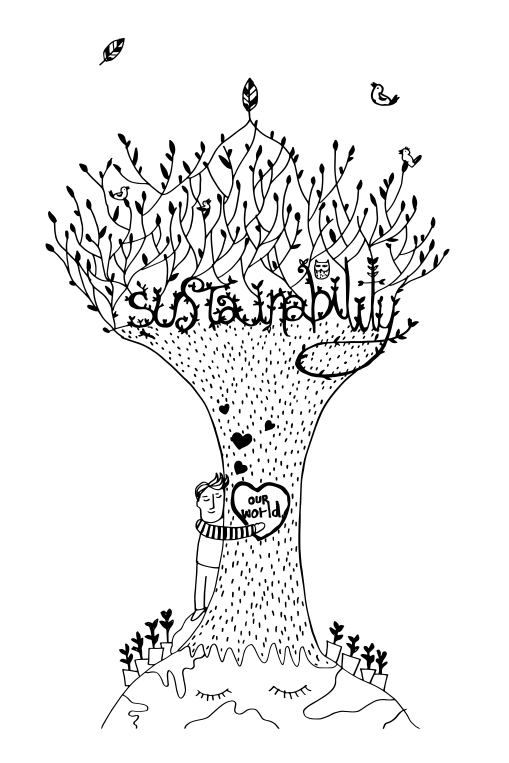
Environmental Responsibility
We support grassroot projects aimed at increasing and safeguarding biodiversity in flora and fauna, through the Regenerative Impact Fund and host-led initiatives.
-
Fruit Tree Seed Bank
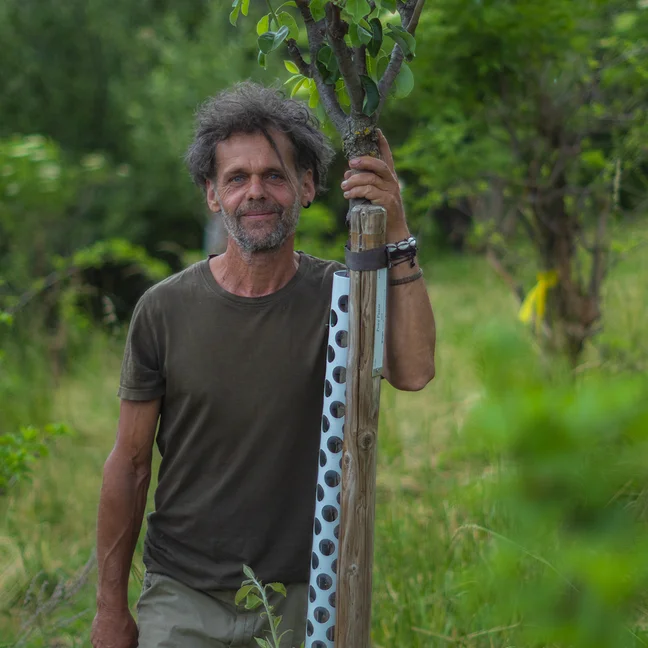
The region of Valais is an Eden of fruit production, thanks to abundant sunshine, water, and fertile soil. Today we enjoy a diverse selection of apples, pears, quinces, apricots, nectarines, and more. Yet, many heritage varieties, which support our local ecosystems, have been lost to time. Alongside local horticulturalist and orchardist Nicolas Lorétan, 93 heritage fruit varieties were identified and underwent DNA analysis between 2023 and 2025. Of these, 54 were previously undescribed and have since been added to the national Agroscope database. The next step is to propagate these varieties to continue their lineage, preserve cultural heritage, and promote genetic diversity.
-
Rewilding through Pollinators
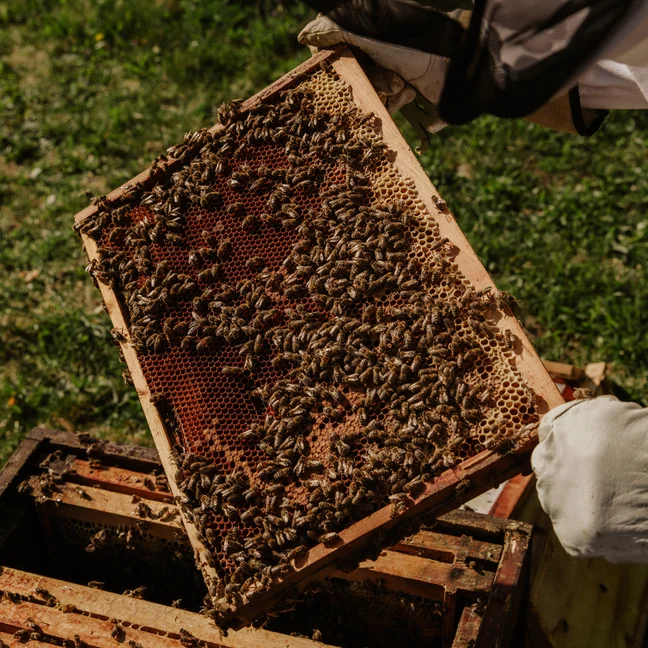
Diversity in flora and fauna is vital to the health of our landscapes. Ski tourism and summer mountain sports, can negatively impact our surrounding prairies. In efforts to support the regeneration of wildflower meadows we have installed two insect hotels and five beehives, managed by a local apiculturist to give our insect friends a head-start to do what they do best – pollinate. We further monitor the effectiveness of the hives through sensors and pollen traps, which provide data on bee activity and the flowers they have pollinated.
-
Blacknose Sheep: Our Natural Lawnmowers
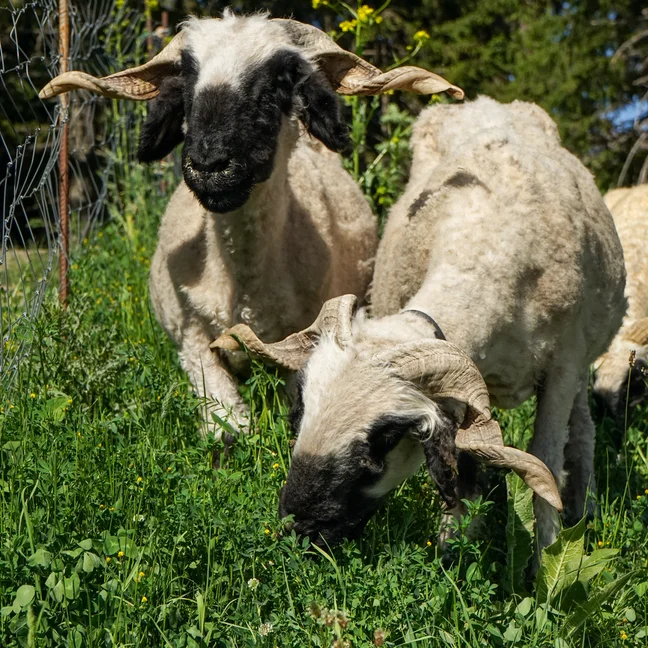
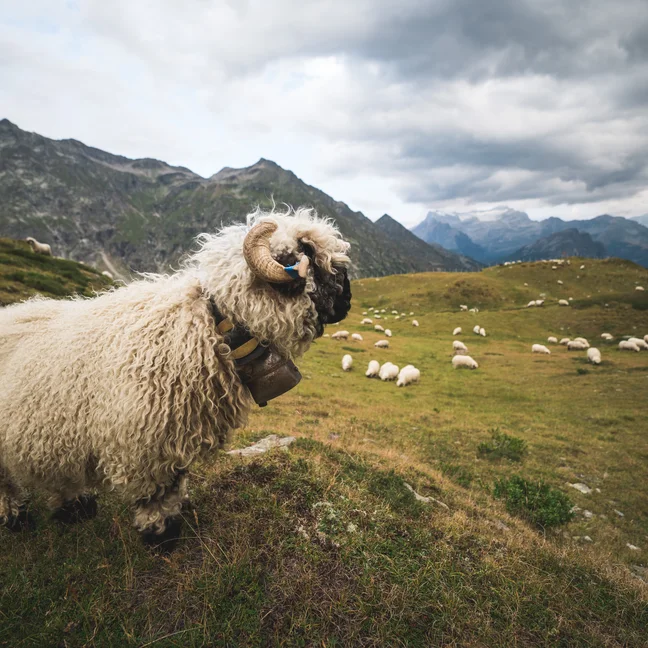
To support natural land management, we have welcomed a group of Valais Blacknose sheep to our property for the summer season. The breed is a cultural symbol of the Valais region and is instantly recognizable by its distinctive black nose and thick white wool. Beyond their cultural significance, the sheep play an important role in maintaining healthy Alpine landscapes. By grazing, they help reduce the need for mechanical mowing, support biodiversity, and contribute to healthier soils and diverse habitats for plants and insects.
-
Alpine Fun Cleans
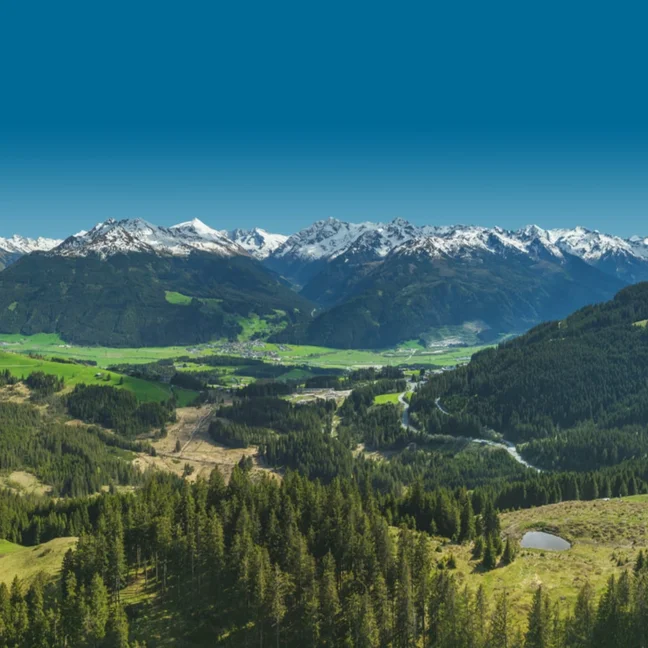
Combining a love for nature and environmental stewardship, our team of hosts participated in a number of clean-up hikes in our surrounding forests. From cigarette butts to construction material, they have removed over 211 kilograms of trash since 2023. Our team even travelled all the way up Glacier Plaine Morte (2,927meters) on a hunt for frozen trash, twice!


Social Responsibility
The Regenerative Impact Fund supports social projects in the region, protecting cultural heritage and upholding local knowledge. Our close ties to educational institutions create hands-on opportunities that inspire the next generation of hoteliers to embrace regenerative tourism.
-
Engaging the Next Generation
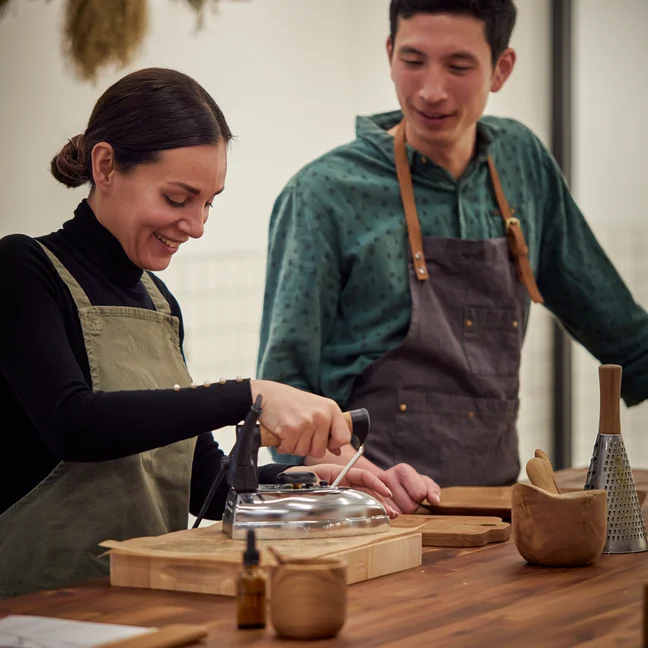
Our proximity to higher-education hospitality institutions within Switzerland allows us to engage with tomorrow's workforce on the evolving dynamics of Social & Environmental Sustainability within the industry. Since 2023, over 1,000 students have participated in sustainability-related discussions and electives on campus or within our resort.
-
Predator and Shepherd Coexistence
The return of predators in our mountains signals a healthy ecosystem. Yet their presence encroaches on pastoral livelihoods, creating a need for balance and dialogue between conservation and shepherding. OPPAL (Organization Pour la Protection des Alpages) trains volunteers to monitor wolf movement and guard flocks at night. Since 2023, we have supported the training of more than 1,000 volunteers. During that time, there have been more than 100 sightings of large carnivores, including wolves and lynx, with zero fatal attacks. This allows shepherds to rest easy, knowing that a non-violent approach to wolf management is working.

